“Look Closely.” Interpreting Film as a Sensory Experience and as Knowledge
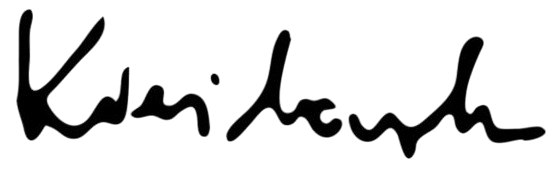
The words “Look closely,” once spoken by Krzysztof Kieślowski, became the guiding motto of the film festival in Sokołowsko, where we watch films together and discuss what we see. Furthermore, as part of expanding the festival’s format, a proposal emerged to include discussions about books and important matters related to cinema, as well as a scholarly reflection on these topics. Such reflection is worth beginning with the very idea of being in the cinema: looking, watching, experiencing bodily sensations, and ultimately understanding, learning, and interpreting.
The main idea of the planned lecture lies in the attempt to combine seemingly incompatible levels of film reception: purely sensory experience and intellectual interpretation. Naturally, the proposed discussion is underpinned by relevant film theories (such as psychoanalysis vs. cognitivism) or concepts and formulations coined to support similar arguments (for instance, Jean Epstein’s “lyrosophy,” Roland Barthes’ “third meaning,” Rudolf Arnheim’s “visual thinking,” or Richard Shusterman’s “understanding”). However, the primary goal is to engage every film viewer as democratically as possible in the orbit of scientific theories and, consequently, to reflect on the sensory experience of film, which is always a form of knowledge.
In the context of the festival, it is worth recalling a statement by Tadeusz Sobolewski about the creator of Blind Chance: “In the very essence of cinema, Kieślowski saw the possibility of an innocent gaze that is understanding.”